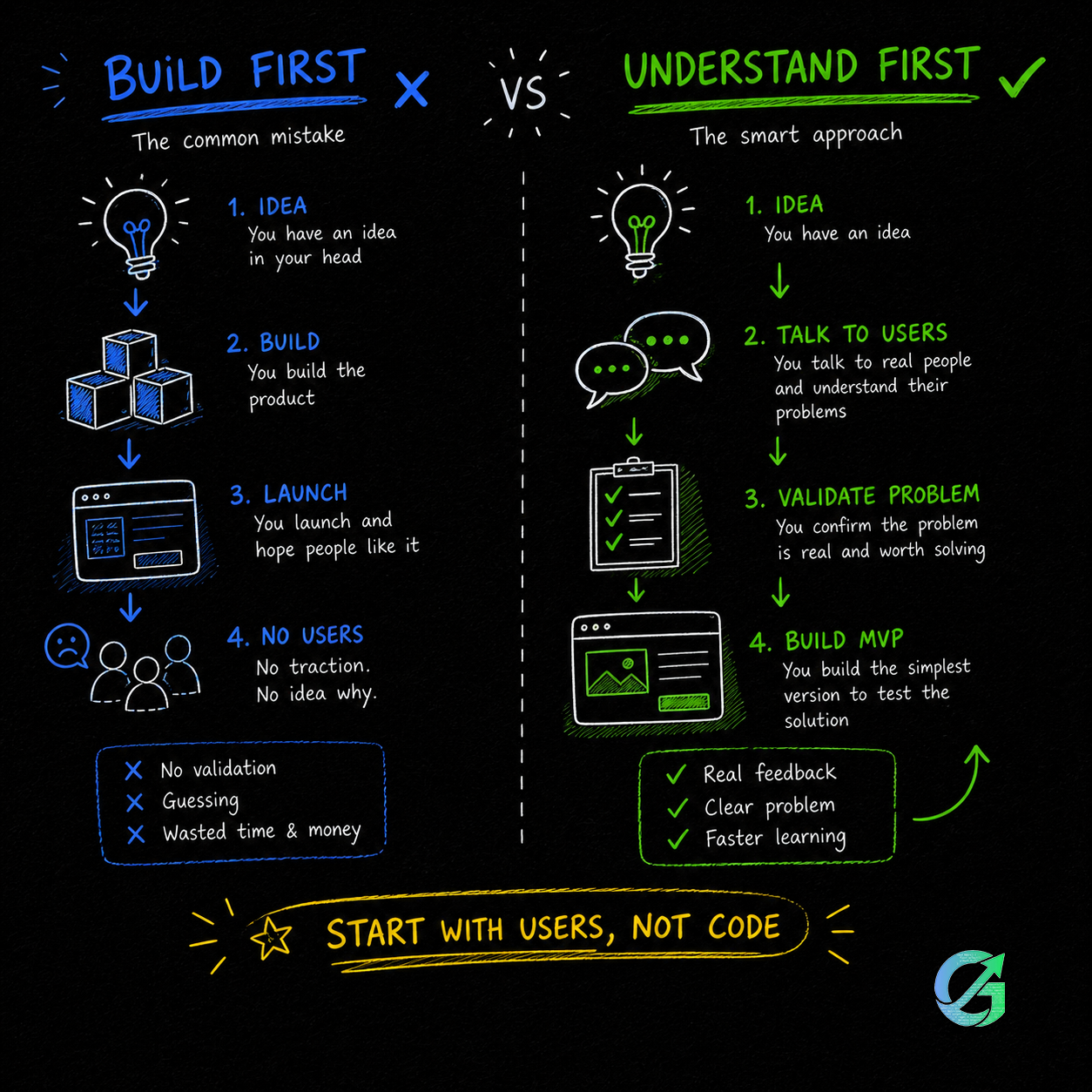
They create a product, add features, and spend time before showing anything to real users.
The risk is simple: the idea may not work.
If you want to avoid wasting time and effort, you need a clear way to test your idea early.
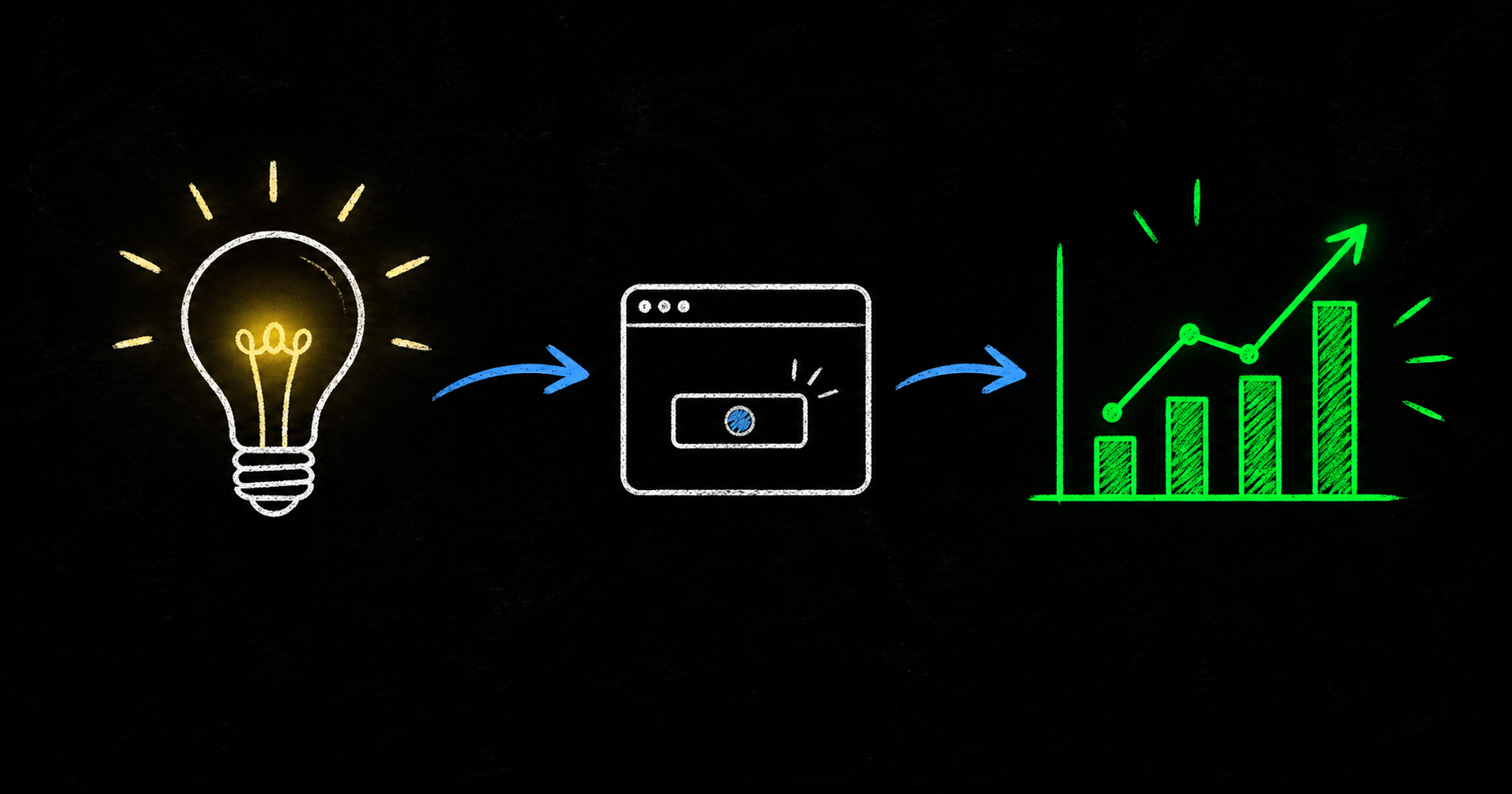
In this guide, you will learn how to build an MVP step by step to validate a business idea before building anything.
What is an MVP?
Before learning how to build an MVP, understand what a minimum viable product really means.
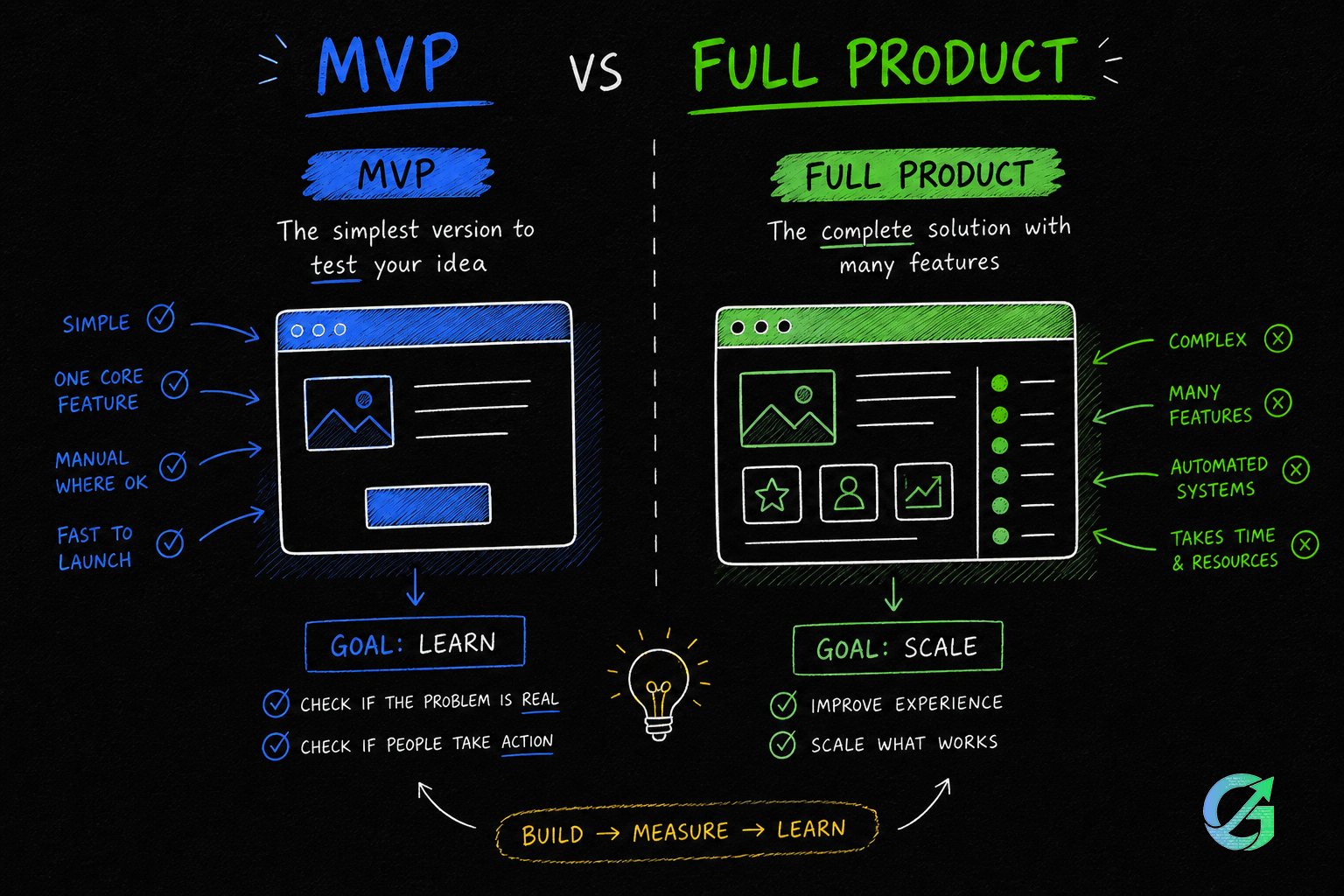
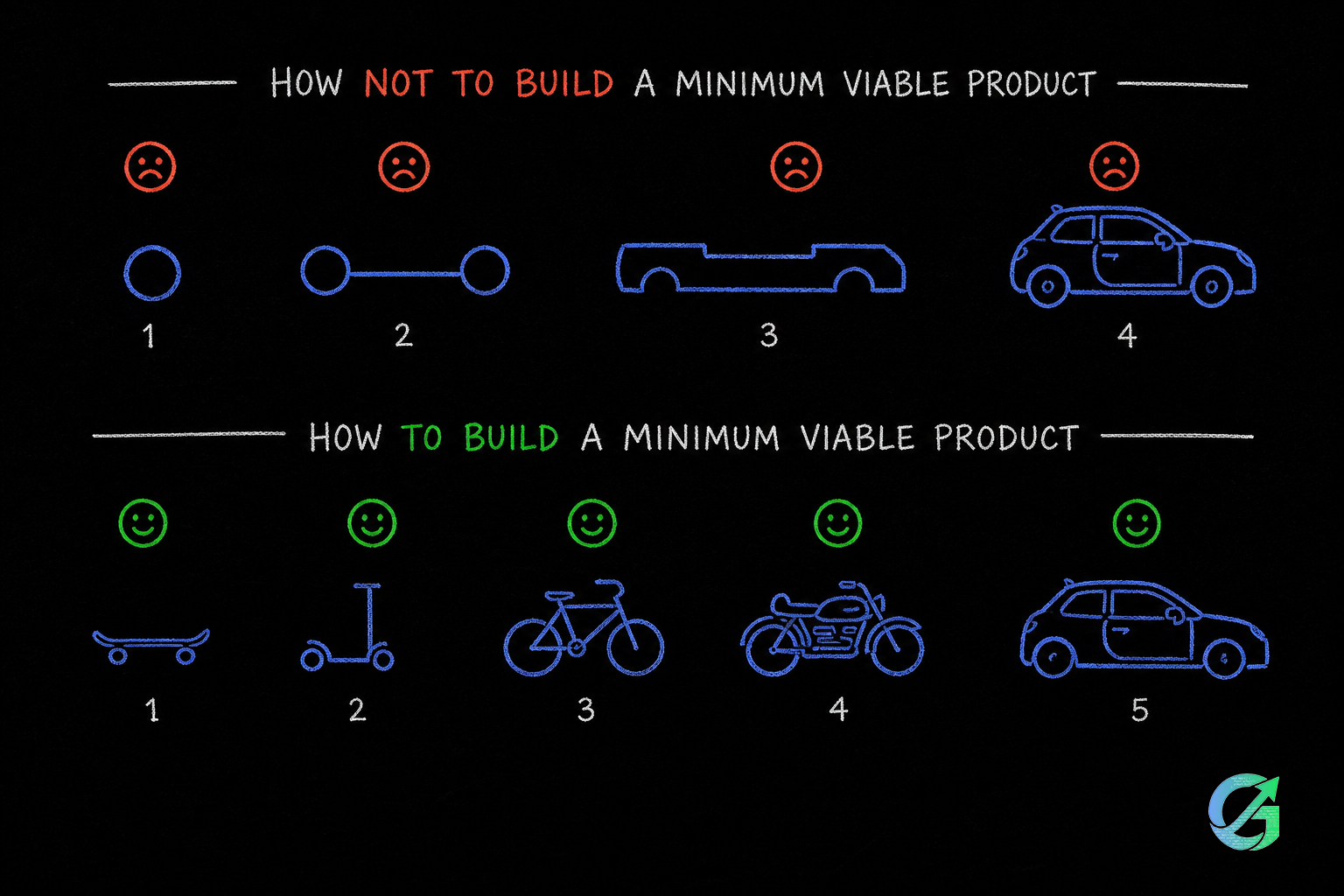
A minimum viable product is not a complete product. The concept comes from the Lean Startup methodology, where the goal is to test ideas quickly instead of building full products.
A minimum viable product is a simple version of a business idea that is shared with real people to observe real behavior.
A minimum viable product includes:
building the simplest version of a business idea, such as a page, a small offer, or a basic tool
showing the business idea to real people such as freelancers, founders, or small business owners
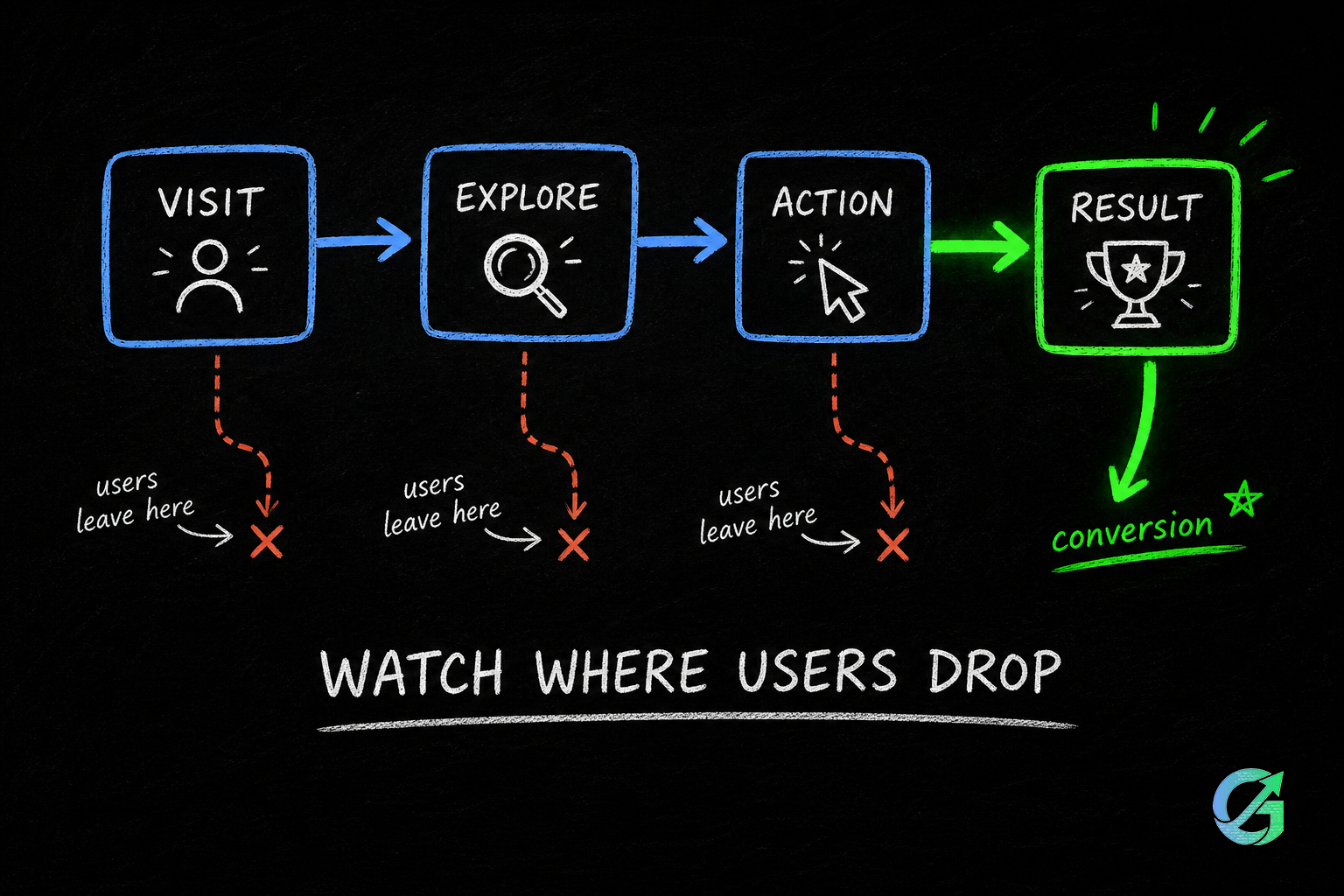
observing what people actually do, such as clicking, signing up, or buying
The goal of a minimum viable product is simple:
check if the problem is real
check if people care enough to take action
Why most MVPs fail
Many people try to learn how to build an MVP, but never reach real customers.
Common reasons:
too many features added too early
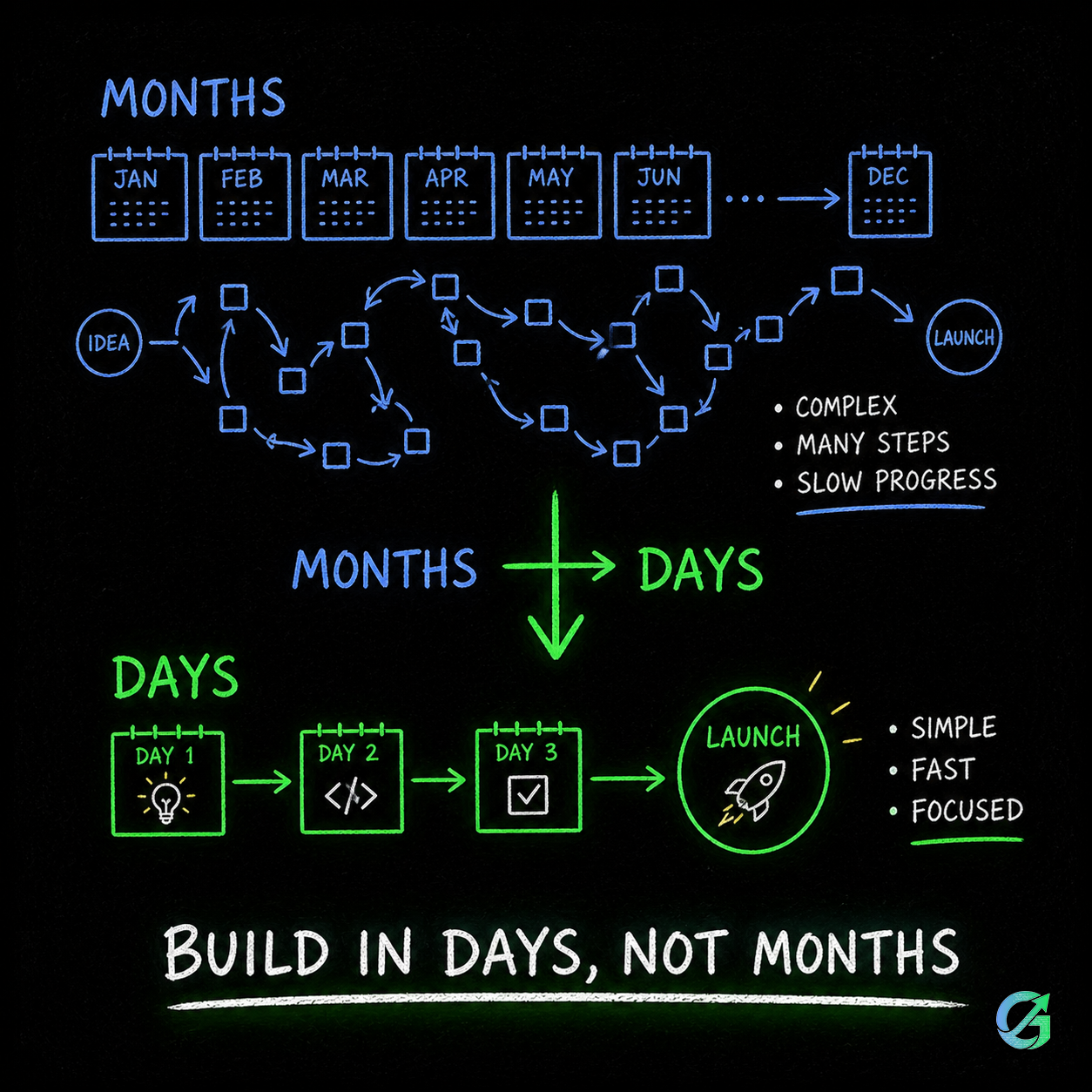
too much time spent building instead of testing
unclear problem or unclear audience
no real interaction with users
A minimum viable product fails when learning is replaced by building.
The real mindset behind how to build an MVP
Customer development comes first.
Before building an MVP, remember that the goal is not to prove your idea is good. The goal is to understand if the problem is real.
The step-by-step process below will help you turn that mindset into action.
Step-by-step: How to build an MVP
Step 1 — Define the problem
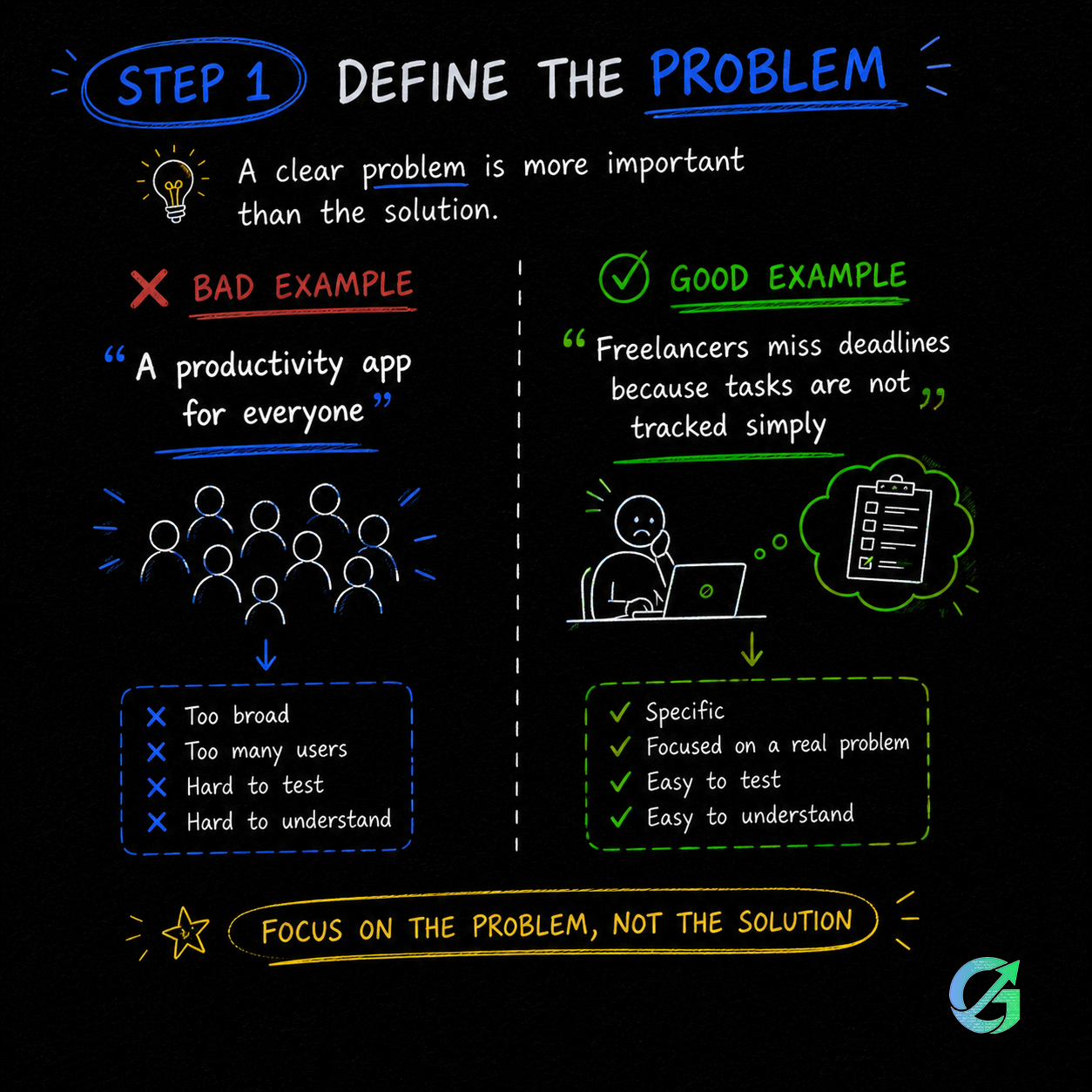
The first step in how to build an MVP is defining a clear problem.
A clear problem is more important than the solution. Learning how to write a clear problem statement helps make the idea easier to test and easier to understand.
Bad example: A productivity app for everyone
Good example: Freelancers miss deadlines because tasks are not tracked simply
Step 2 — Choose one type of customer
A minimum viable product should focus on one type of customer.
Choose one group, for example:
freelancers who need help organizing daily work
founders who want to launch a business
small business owners who manage clients
Focusing on one group makes the idea easier to test and improve.
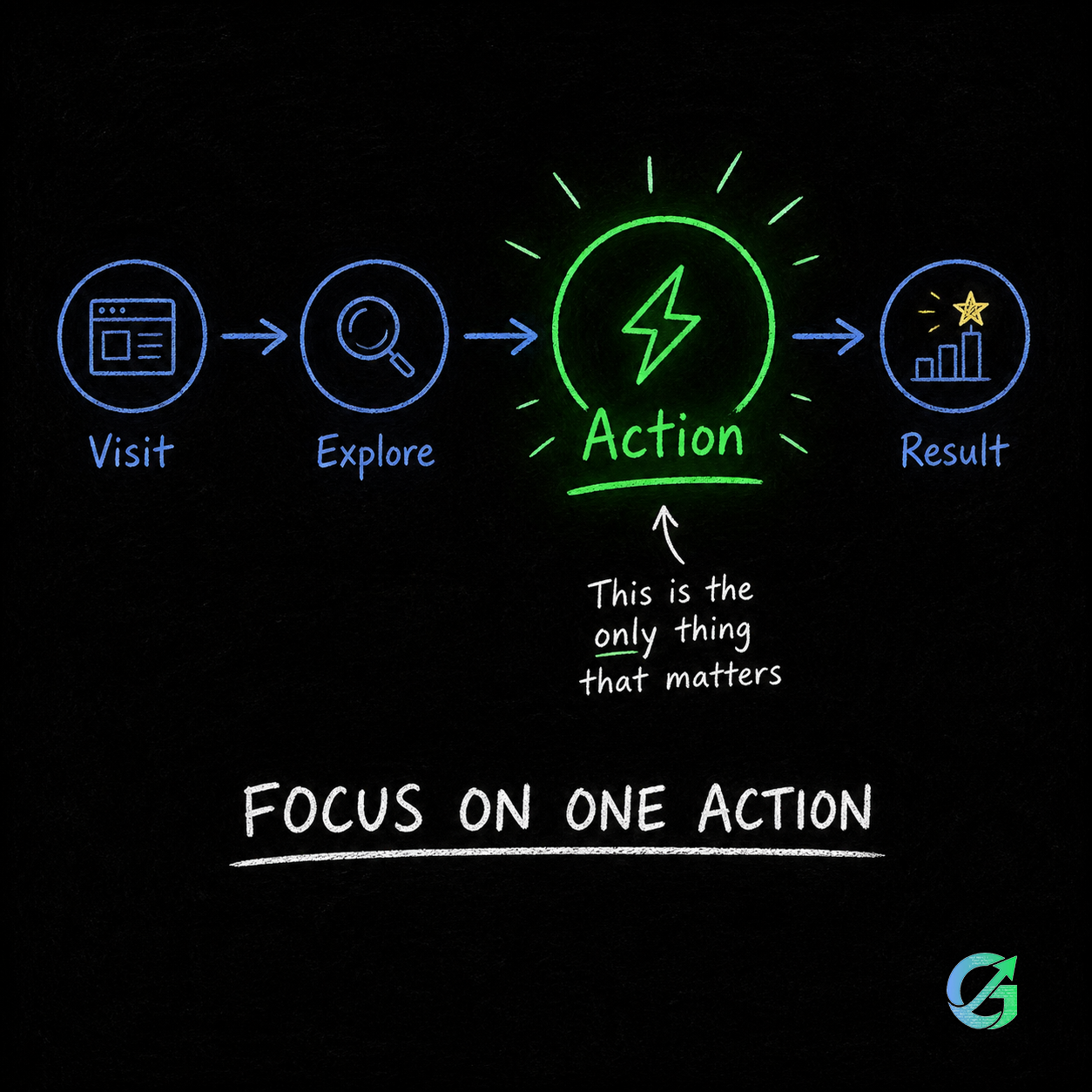
Step 3 — Define the core action
When learning how to build an MVP, focus on one main action.
Ask a clear question:
What is the one action a user should take?
Examples:
fill out a form
request a service
make a payment
book a call
Everything else can wait.
Step 4 — Build the simplest version (using vibe coding)
At this stage of how to build an MVP, speed matters more than perfection.
Instead of building from scratch, use vibe coding with no-code tools and simple templates to move faster.
Hicham is a growth and product-minded marketer focused on positioning, acquisition, and user experience. He builds clear offers, tests fast, and turns ideas into measurable results.
 Written by Hicham Benataibaschedule5 min read